4 Components of a Great Pharmaceutical Sales Training Program
By ASLAN Training
June 30, 2022
4 min read
Access is collapsing. Quotas are rising. Rep headcount is shrinking. And every second of HCP face time is under a microscope.
This isn’t a future scenario. It’s where pharmaceutical sales is right now.
Only 32% of oncology providers were fully accessible in 2024, and average daily calls dropped below 3 per rep. Training spend is flat, but the stakes are higher: reps must deliver ROI in shorter, more scrutinized interactions, often virtual, often interrupted, often skeptical.
And yet, many training programs still treat access, messaging, and objection handling like fixed assets. They aren’t.
If you want training that actually changes field performance, every element must reflect today’s environment: what your reps are allowed to do, what they’re up against, and what great looks like under pressure.
Here’s what that requires.
1. Train Reps to Earn the Moment, Then Win It
Structural resistance, not emotional reluctance, is the primary blocker in pharma today. Scheduling restrictions, policy changes, digital gatekeepers, and ROI scrutiny limit access before a rep even opens their mouth.
But once a rep does gain a moment, often less than 120 seconds, emotional receptivity becomes decisive. If the provider isn’t open, no detail or message will land.
Training should focus on three capabilities:
- Reading cues fast. Can a rep detect tone, posture, and language that signal "I’m not really open" within 30 seconds?
- De-escalating pressure. What language reduces resistance without sounding tentative? (e.g., “I know your time is limited. Would it be helpful if I quickly shared why I stopped by, and you can decide if we continue?”)
- Repositioning with clarity. Reps must offer a relevant reason for the conversation, centered on the healthcare provider’s (HCP) priorities, not the brand’s.
If your teams aren’t trained to manage that moment, when they’ve cleared the system but not the mindset, they’ll lose the window they fought to earn.
2. Train Managers to Build Capabilities, Not Just Track Activity
In a time when rep productivity is under a magnifying glass, every call counts, and so does every manager touchpoint. Yet most front-line leaders spend more time reviewing reports than developing skill.
Effective coaching systems in pharma should include:
- Behavior-based observation. Instead of asking, “Did you cover the brand messages?” ask, “How did the HCP respond when you introduced the concept?”
- Pre-call alignment. Reps should articulate: What do I want from this interaction? What resistance do I expect? What matters most to this HCP right now?
- Post-call feedback grounded in field reality. Managers must have a shared framework for what good access creation, discovery, and value delivery looks like, especially in a 2-minute virtual call.
Structured coaching, whether during ride-alongs or debriefs, is one of the most direct ways managers can influence field behavior. Even simple tactics, like reviewing a key call moment or clarifying how to spot resistance, can expose gaps that reports alone won’t catch. The goal isn’t more time; it’s more impact in the time you already spend.
That means shifting attention from metrics to moments: the decisions reps make under pressure, the habits they repeat, and the resistance they face in real calls.
Training programs should prepare managers to lead those conversations with clarity and purpose, not just track outcomes.
3. Build Discovery Skills for How Decisions Are Really Made
Prescribing decisions today are rarely single-variable. It’s not just “does it work?” It’s: Does the payer support it? Will it create downstream admin work? Does it align with QI targets? Will the partner or NP agree?
Sales and account teams need to be trained to:
- Uncover economic and operational influencers (e.g., “What’s the most common hurdle for coverage with this population?”)
- Map stakeholders without guessing (“If you were to move forward with a change here, who else would want visibility?”)
- Detect hidden reluctance (“What would need to change in your day-to-day for this to be easy to adopt?”)
Discovery isn’t about asking more questions; it’s about knowing which questions get to the actual buying logic in a given setting.
If your training still teaches discovery like a clinical intake, you’re not equipping reps for how decisions are really made.
4. Tell Stories That Stick, Not Stats That Slide Off
Reps face increasingly brief, high-stakes interactions. They no longer have time for monologues, and HCPs no longer have patience for them.
Short, relevant stories, delivered in 90 seconds or less, can make value tangible when data alone doesn’t land. The key is precision: tailoring each story to common resistance points, and framing them in the HCP’s context.
Training must help reps:
- Build a library of stories tailored to resistance points (e.g., “Why switch from the status quo?” “What if adherence fails?”)
- Deliver those stories in 60–90 seconds max
- Use provider- or patient-centered framing (“Here’s what another provider in a similar setting did…”)
Contrast this:
- Old way: “We have 25% greater efficacy.” (Accurate, but abstract, especially if the HCP already has a preferred product. It’s a stat without context or consequence.)
- New way: “A once-daily formulation helped improve adherence by 18% in one published study—while reducing callbacks from pharmacy staff. That’s the kind of operational value many providers prioritize—because it connects directly to workflow and reduces admin friction.”
The goal isn’t to entertain. It’s to lower risk perception and give the HCP a relatable outcome.
If you can’t do that in 90 seconds, the story never gets told.
Equip Pharmaceutical Sale Teams for What’s Actually Happening
Pharma sales has changed, and not just at the margins. What used to work, a solid message, good coverage, a few minutes in front of the HCP, isn’t enough anymore.
But here’s the upside: teams that train for the actual moment they’re in are seeing sharper calls, more open doors, and real momentum. The gap isn’t capability. It’s alignment. And that’s fixable.
Want to see how your current training stacks up?
Schedule a complimentary consultation to discuss your current training approach and how ASLAN can help you close the gap between what your reps face, and what they’re prepared for.


Unlock Your Team's Full Sales Potential
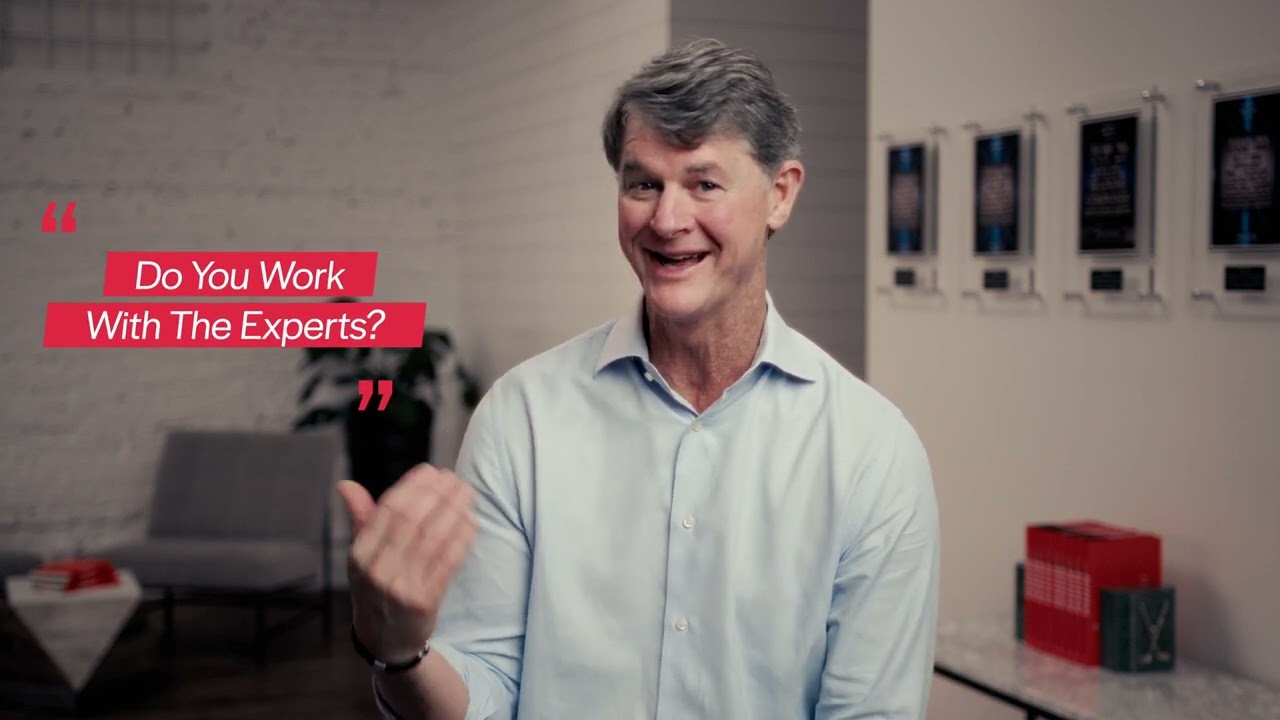
Questions? Watch our CEO, Tom Stanfill, address our frequently asked questions below.